Mastering Architectural Acoustics for Work, Leisure, and Living
Wiki Article
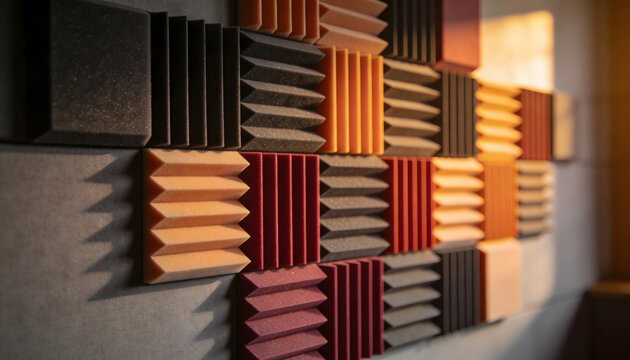
Creating Quieter, Functional, and Aesthetically Pleasing Built Environments
In modern architectural design, the acoustic environment plays an equally vital role as visual aesthetics and structural integrity. By sourcing high-quality materials from Acoustic Panels Cyprus, architects and property owners access a wide range of beautiful, modern acoustic materials tailored to elevate any interior design. We combine in-depth knowledge of acoustic engineering technology with state-of-the-art acoustic materials to solve noise and vibration problems and improve the acoustics of buildings.
The benefits of acoustic treatment are immense: Improved intelligibility, communication, teaching and learning, increased productivity, privacy, ambience…, in short, we create spaces that you love to live and work in. We are professional engineers but more than just that: We were the first company to initiate and promote an Integrated Design approach to Architectural Interiors, Lighting, and Acoustics.
Key Advantages of Implementing Professional Sound Solutions
Integrating high-performance acoustic materials into your building plans transforms noisy, echo-prone spaces into peaceful, highly functional rooms.
- Improved Speech Intelligibility and Communication: Reducing unwanted echoes ensures that conversations, lectures, and business presentations are crystal clear without vocal strain.
- Increased Productivity and Focus: Excessive workplace noise is a primary driver of stress and distraction.
- Heightened Acoustic Privacy and Confidentiality: Controlling sound transmission prevents sensitive conversations in boardrooms, executive offices, and medical facilities from leaking into adjacent corridors.
- Aesthetically Pleasing Acoustic Design: Modern sound-absorbing panels combine superior engineering with stylish finishes, blending seamlessly into sophisticated interior decor.
5 Steps to Designing an Acoustically Balanced Interior Space
Following a clear engineering roadmap ensures beautiful visual integration alongside outstanding sound control.
How to Achieve Superior Room Acoustics
- Involving an Acoustician at Planning: Engage an acoustic engineer during the concept phase to analyze room geometry, reverberation times, and structural sound transmission risks.
- Identifying Sound Control Needs: Measure background noise levels and vibration sources from mechanical systems, external traffic, and adjoining rooms.
- Selecting State-of-the-Art Acoustic Materials: Choose sound-absorbing panels, ceiling baffles, or acoustic diffusers that align with both performance requirements and interior visual themes.
- Harmonizing Design Elements: A holistic approach avoids clutter and maximizes space efficiency.
- Professional Installation and Acoustic Testing: Install materials according to precise engineering standards and conduct post-installation testing to confirm optimal sound absorption.
Where Professional Sound Treatment Matters Most
Different room types demand unique acoustic approaches depending on how the space is utilized day-to-day.
- Business and Administrative Spaces: Prevent sound buildup in glass-walled meeting rooms and open office landscapes to support focused teamwork and private client calls.
- Educational Institutions and Lecture Halls: Ensure students hear every lesson clearly by controlling reverberation times in classrooms, lecture halls, and school gymnasiums.
- Dining and Entertainment Spaces: Maintain an energetic dining ambience where guests can converse comfortably without shouting over background noise.
- Private Home Sanctuaries: Create tranquil living spaces and immersive home cinema rooms insulated from external neighborhood noise.
Conclusion: Elevate Your Built Environment Today
Acoustic comfort is no longer a secondary consideration in architectural design—it is a fundamental element of human-centered spaces.